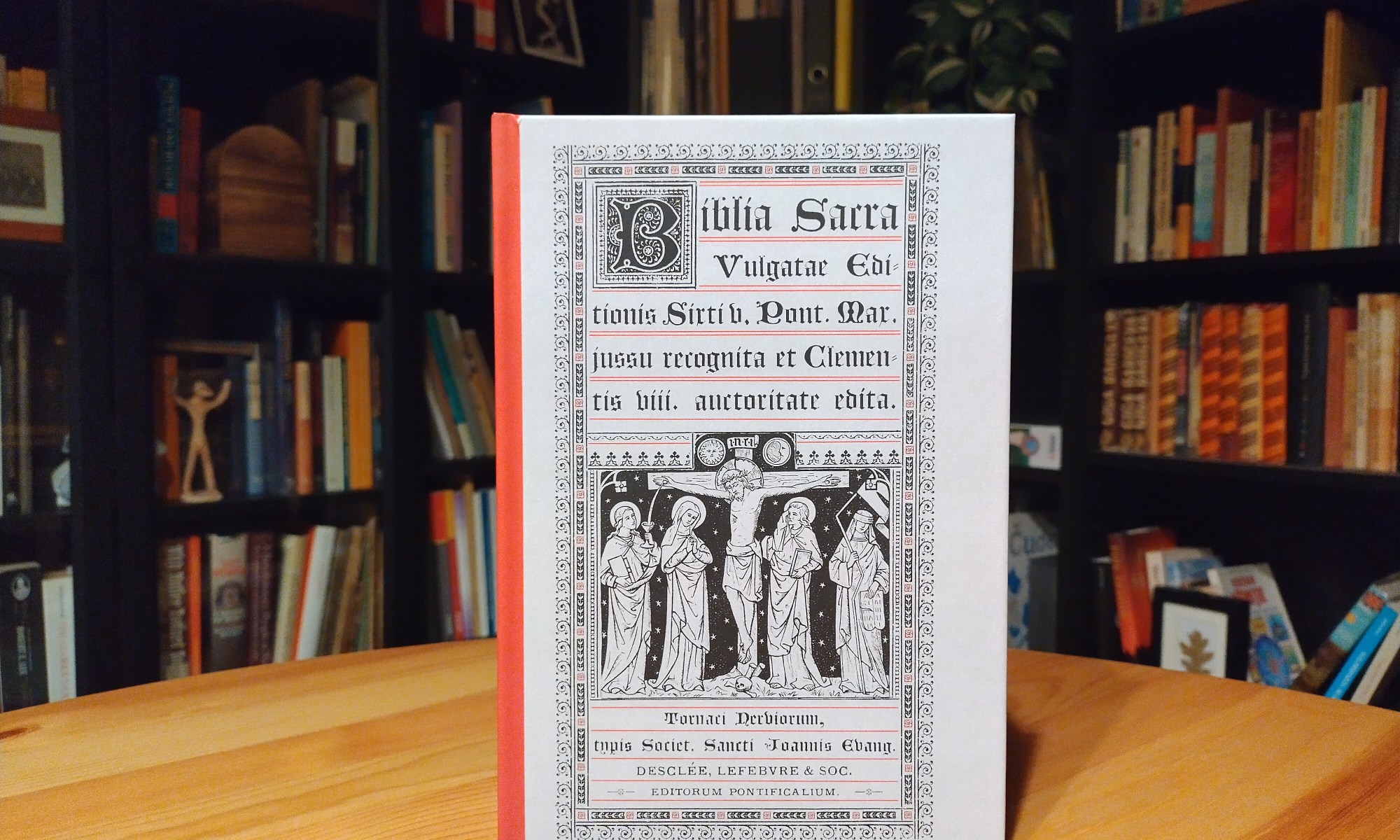
The Vulgate is the Latin language translation of the Bible going back to St Jerome (c. 342-420). A work of exquisite importance for the history of Christianity and the dissemination of the Bible, it still remains in official use. The version reviewed in this post is a wonderful facsimile of the so-called Sixto-Clementine Vulgate, originally published in Belgium in 1901.
Savremeni resursi za uฤenje latinskog
Korist od uฤenja klasiฤnih jezika je ogromna. U sluฤaju latinskog, ovladavanje ovim jezikom otvara vrata ka ogromnom knjiลพevnom i nauฤnom nasleฤu stvaranom tokom dva milenijuma, a posredno moลพe biti od velike pomoฤi i pri uฤenju niza savremenih jezika - i to ne samo romanskih: najmanje 60% engleskog vokabulara potiฤe iz latinskog, ลกto direktno, ลกto indirektno. …
Learn Latin using contemporary resources
Learning a classical language like Latin comes with many benefits. Apart from enabling you access to a vast amount of literary sources spanning two millennia, it can be of great help in learning a host of modern languages. Not just Romance languages, either: according to most estimates, at least 60% of English vocabulary is derived …