
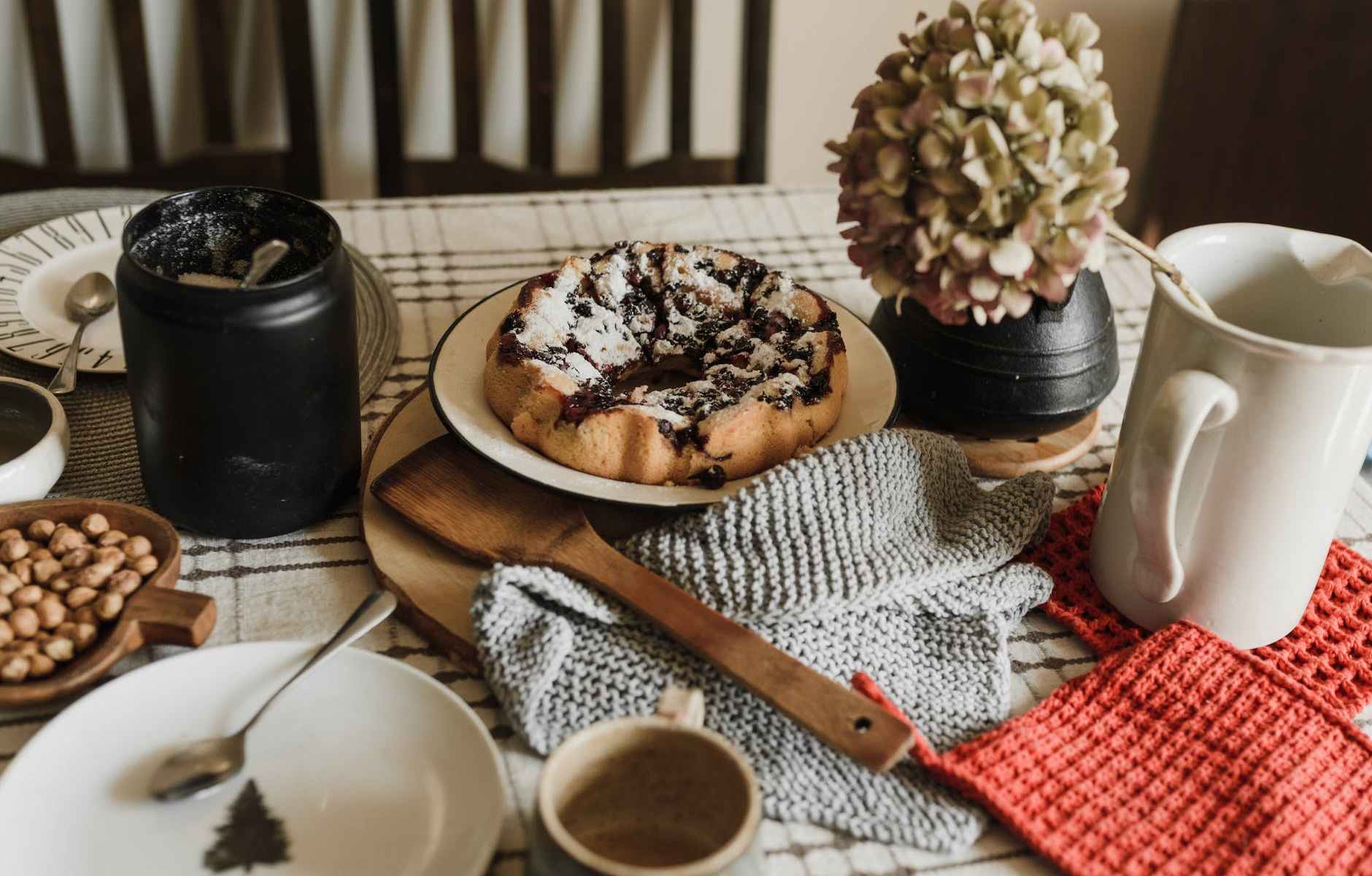
This vocabulary post is primarily intended for English language learners at B1 level (pre-intermediate).
Do you like drinking tea? What’s your favourite blend? Do you put any sugar or milk in it?
To help you talk about tea in English, in this post I’m going to present some key vocabulary that you can use.
MAKING TEA
Making tea is easy: just POUR some HOT BOILING WATER over some LOOSE TEA LEAVES or a TEA BAG. Let it BREW for a few minutes (best to follow the instructions on the packaging) and you’re good to go!
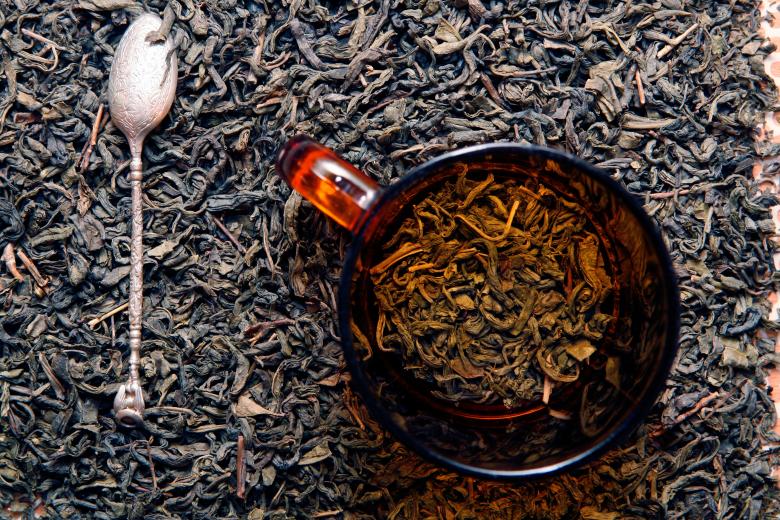
Some people prefer to drink their tea PLAIN, meaning there’s nothing else added to it. Others like it sweet and so they add sugar or honey to it. Also, black tea is often drunk with some milk. (See below in the Recommended Reading section for some ideas.)
NOTE: For drinks like tea and coffee, don’t use the verb ‘cook’. Instead, use BREW (which sounds like ‘broo’) or MAKE.
SERVING TEA
When I’m at home, I usually drink my tea from a MUG.
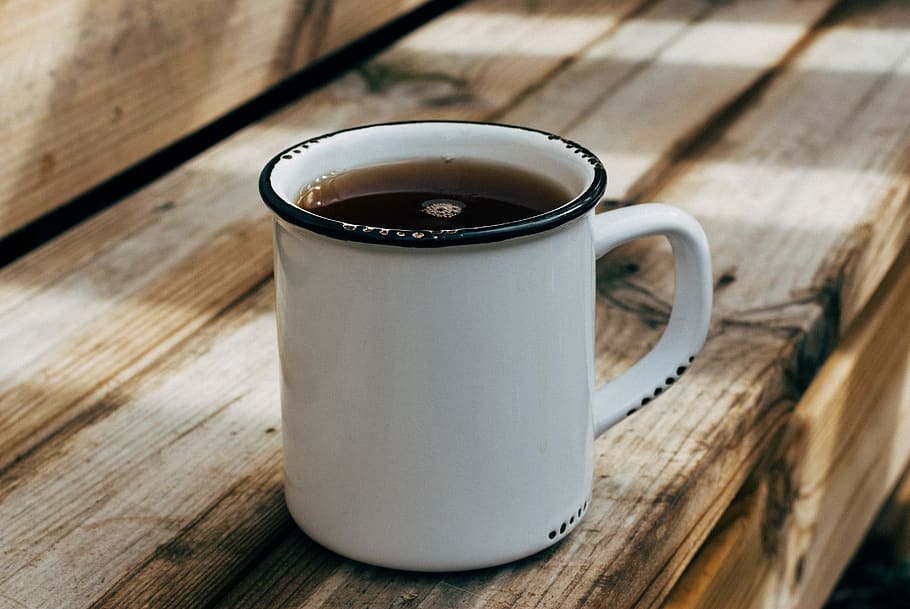
When I go out for a walk, I often take a TRAVEL MUG or my REUSABLE coffee mug with lid (the cover on top). That way I can enjoy my tea on the go!
NOTE: When something is “reusable“, it means you can use it many times—you don’t just throw it away after one use. That would be “disposable” or “single-use“. Disposable plastic and paper mugs are bad for the environment, and for your health. Avoid using them!

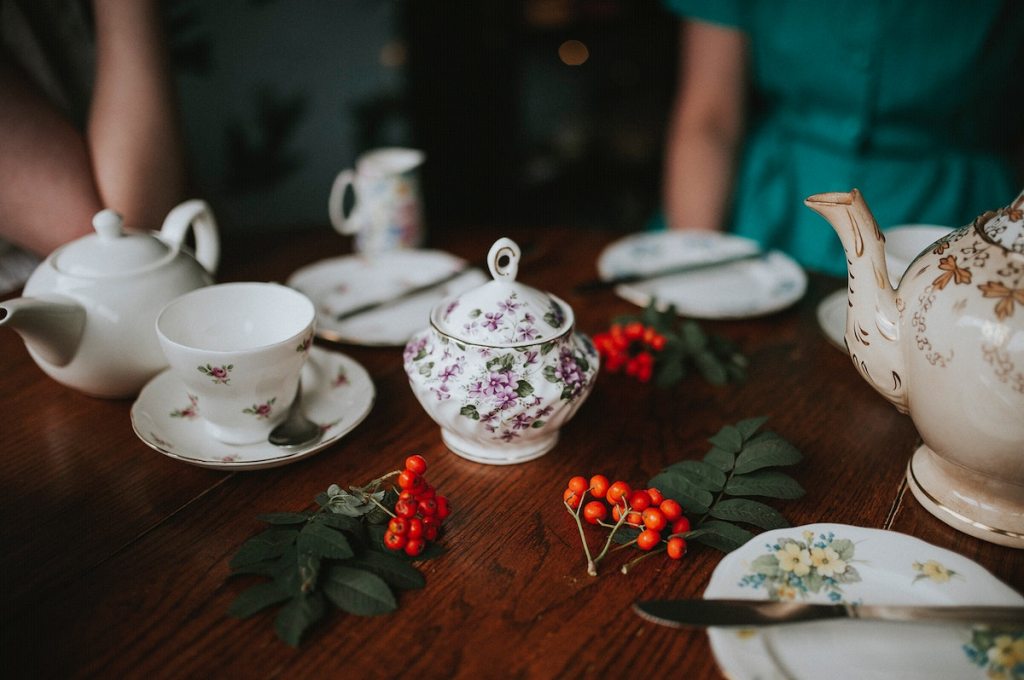
When I have guests or feel in a special mood, I like to serve tea using my TEA SET. A typical tea set consists of TEA CUPS, SAUCERS, TEASPOONS, and a TEAPOT. If you want to serve sugar and milk, you will also need a SUGAR BOWL and a small MILK JUG. Can you identify some of these items in the picture below?
DIFFERENT KINDS OF TEA
Strictly speaking, tea is made by pouring boiling water over the leaves of a special plant by the Latin name of Camellia sinensis. It originally comes from China and certain other parts of Asia. BLACK, GREEN and WHITE TEA all come from the same plant.
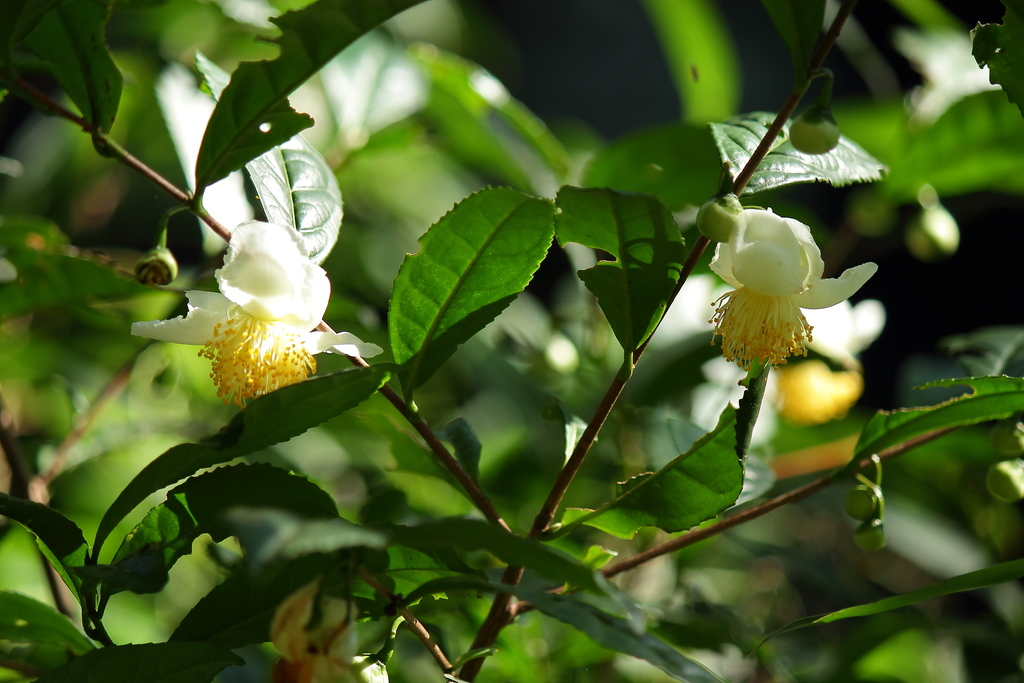
If you make “tea” with anything else, that’s a HERBAL TEA, also known as a TISANE or INFUSION. Some of the HERBS (i.e. medicinal plants) that I like are chamomile, peppermint, and ginger. But there are many others, including many different BLENDS (mixtures of different teas).
HEALTH BENEFITS
Both herbal “teas” and real teas have a lot of health benefits, some of which have been known for centuries if not millennia. For example, I always make chamomile tea when I’m having a headache, or lavender tea when I can’t sleep well. It helps!
Here are just a few examples of health benefits you can get from drinking tea:
- chamomile: helps you to relax and sleep better
- ginger: helps fight cold and flu symptoms
- green tea: boosts immune system
- hibiscus: lowers blood pressure
- peppermint: relieves headaches and migraines; helps with digestion
EATING TEA
Eating tea?! What’s that all about?
Apart from referring to a BEVERAGE (i.e. a drink), TEA is also a meal, at least in some parts of the English-speaking world. Depending on where you are or who you’re talking to, “tea” may refer to a light early afternoon meal served around 4pm, typically consisting of small sandwiches and cakes.
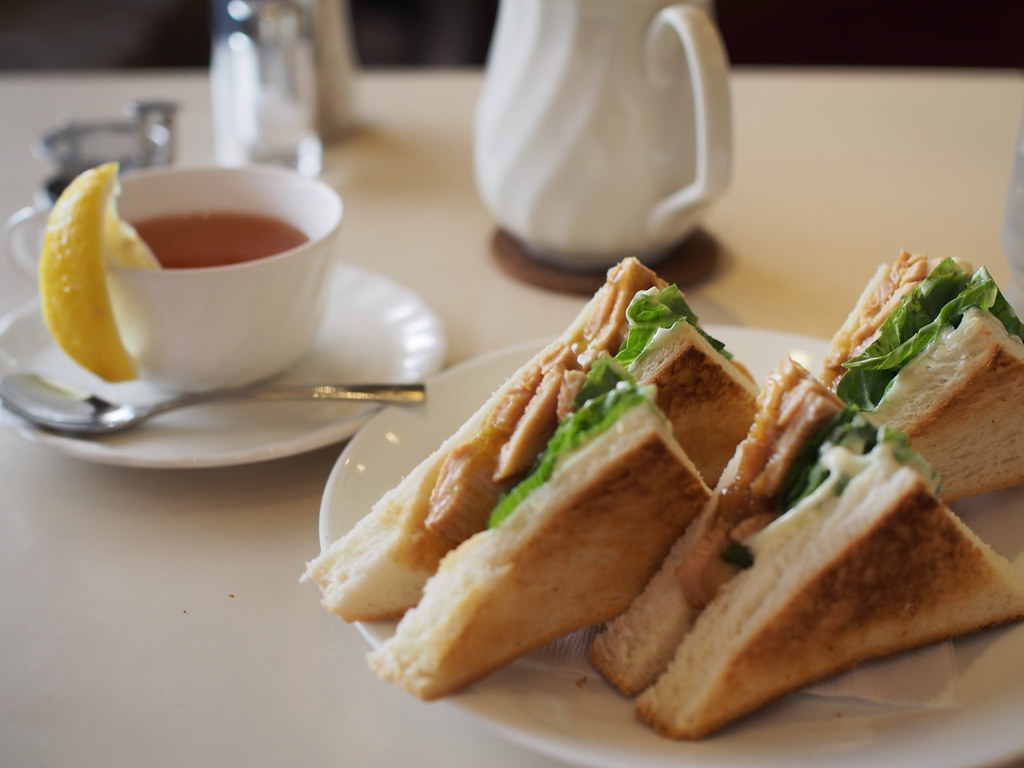
Then there’s HIGH TEA, which includes more food, usually cold meats, vegetables, cheese, and more. It’s pretty formal and traditional.
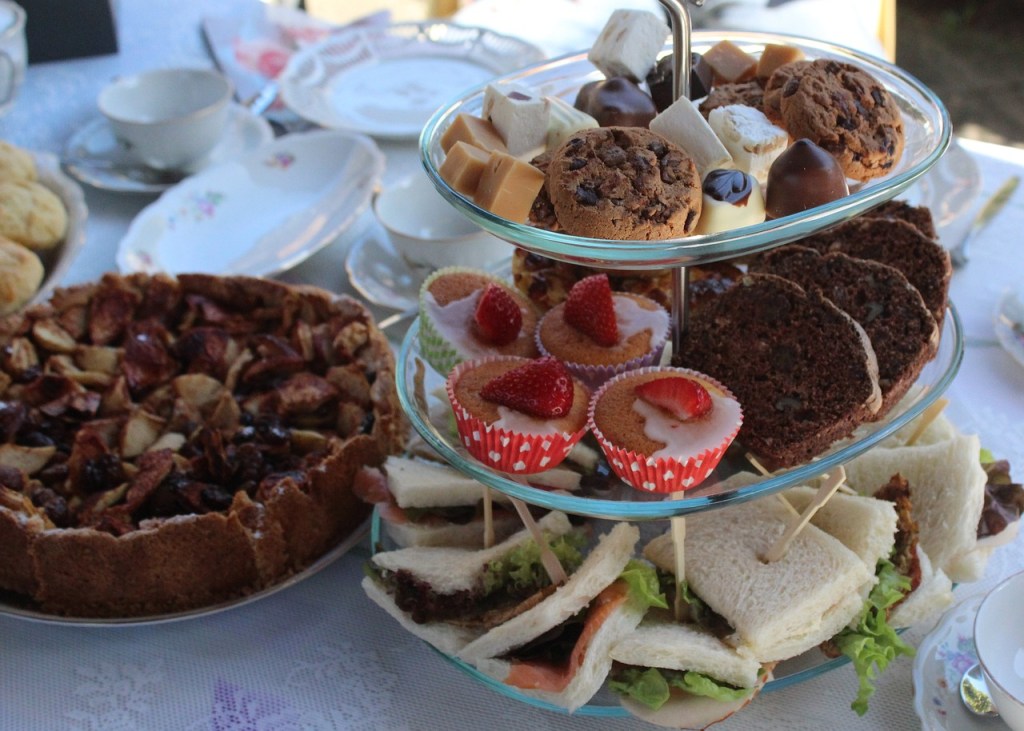
So, don’t get confused when you hear the question “What’s for tea?” — it basically means “What are we going to eat this afternoon?”
Before exploring some of the articles suggested below, do a simple 10-question vocabulary quiz on the topic of tea!
RECOMMENDED READING
10 Healthy Herbal Teas Your Should Try
A Classic British Afternoon Tea: What is served and what to expect
How to Make a “Proper” Cup of British Tea
The health benefits of herbal tea consumption
Discover more from grammaticus
Subscribe to get the latest posts sent to your email.
 grammaticus
Reblogged this on More than Teaching.
LikeLiked by 2 people
Many thanks for the reblog!
LikeLike