
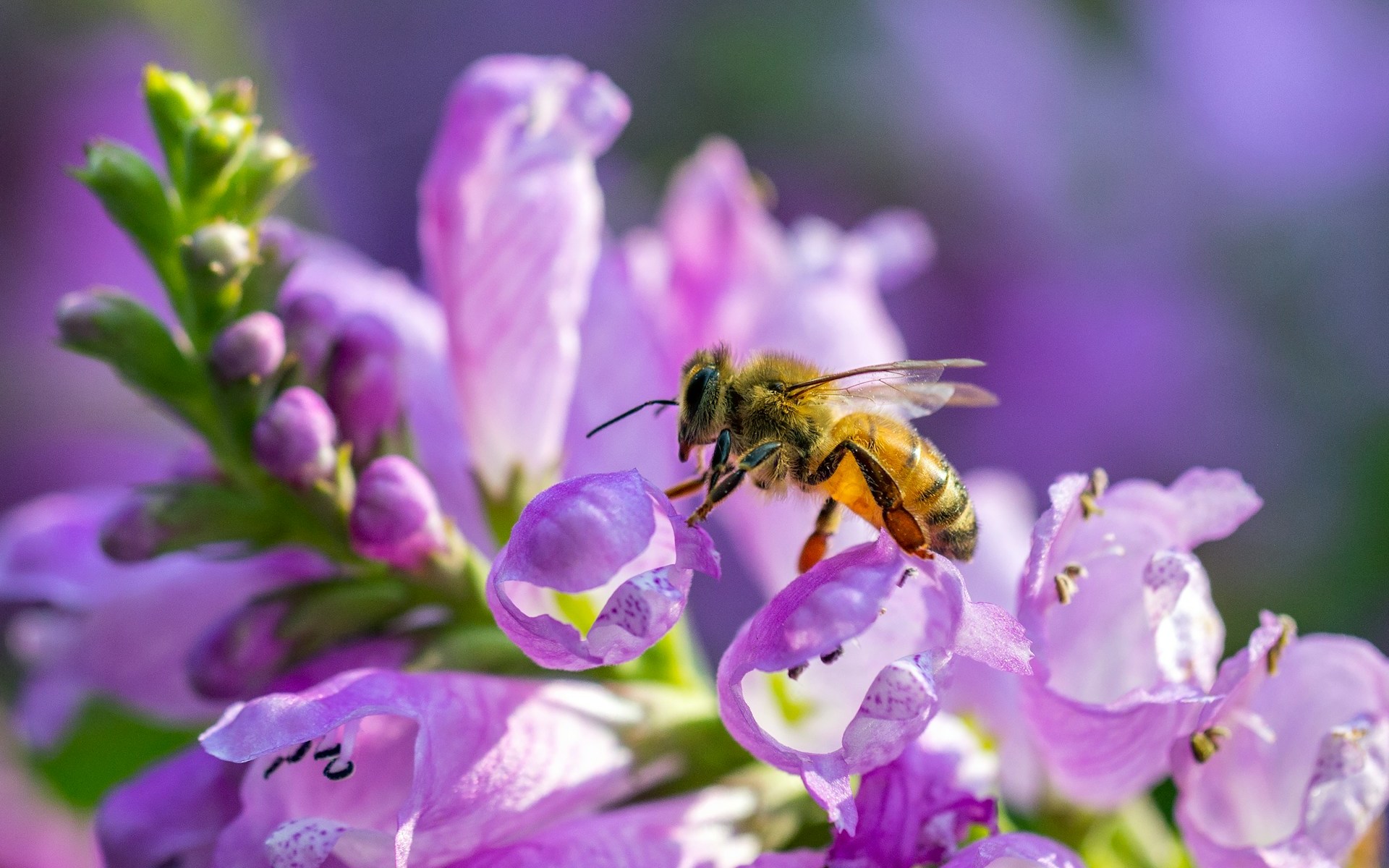
Bees are small winged insects that, together with other pollinators, play a vital role in preserving and maintaining biodiversity. So much of life on our planet depends on the labour of these hardworking and disciplined creatures. In the year 2017, the United Nations declared May 20 as World Bee Day, in recognition of their importance. And why May 20? It happens to be the birthday of Anton Janša, the 18th century Slovenian apiarist whose research and published studies laid the foundation of modern apiculture.
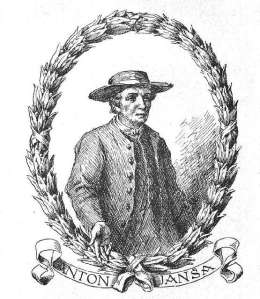
You can find a few links to resources on Janša and the history of apiculture in the Additional Resources section below, but the focus of this post is actually going to be an old poem that you can use in your own literary celebration of World Bee Day.
Titled “How Doth the Little Busy Bee”, the poem was written by the English writer and theologian Isaac Watts (1674–1748), today best known for his numerous church hymns, many of which are still sung across the English-speaking world, and remain well-known globally.
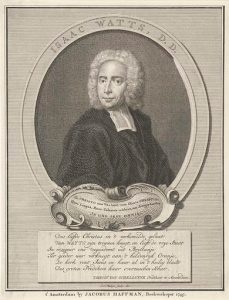
Watts uses the example of the little busy bee as a model for human life. The poem’s moral lesson is that – with the bee as an example and symbol of a good, productive life – we should avoid being idle and lazy, and spend our time in books, or work, or healthful play instead.
The central idea of the poem echoes an English proverb that you may have heard before: “idle hands do the devil’s work”, also expressed as “the devil makes work for idle hands” and similarly. I love how that poet’s emphasis is not simply on keeping ourselves busy with physical work or material productivity, but that we should pay just as must attention to our intellectual and spiritual endeavours.
How doth the little busy bee
Improve each shining hour,
And gather honey all the day
From every opening flower!

How skillfully she builds her cell!
How neat she spreads the wax!
And labours hard to store it well
With the sweet food she makes.

In works of labour or of skill,
I would be busy too:
For Satan finds some mischief still
For idle hands to do.

In books, or work, or healthful play,
Let my first years be passed,
That I may give for every day
Some good account at last.
ADDITIONAL RESOURCES
Audio of the poem “How Doth the Busy Little Bee”
Pioneers of Slovenian Beekeping
World Bee Day – the official U.N. webpage
NOTES

I’m a freelance language tutor (English, Latin, Classical Greek), researcher, and a literary scholar currently based in Belgrade, Serbia.
If you wish to receive new content from my blog – as soon as it’s published – please enter your email address in the subscribe box below.
To support my work, you can send me a donation via PayPal. It would be greatly appreciated!
COVER PHOTO CREDIT
Dustin Humes via Unsplash
Discover more from grammaticus
Subscribe to get the latest posts sent to your email.

