
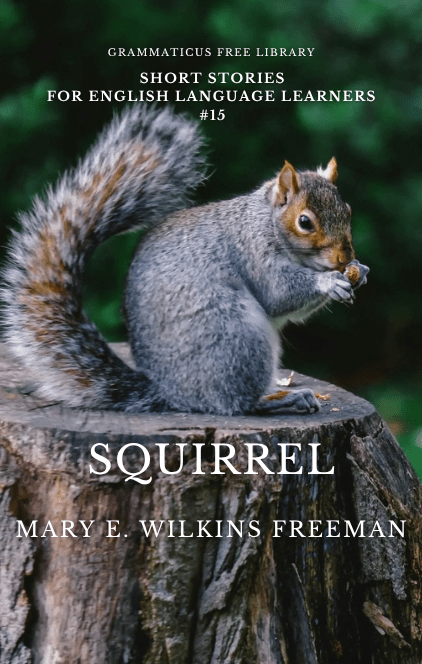
I’m happy to present another title in the Grammaticus Free Library series: “Squirrel” by Mary E. Wilkins Freeman.
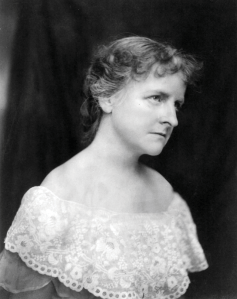
Mary E. Wilkins Freeman (1852–1930) was a prominent American writer whose finely crafted short stories set in rural New England explored themes of domestic duty and women’s struggles, while also commenting on the natural world and our intimate connection with the animal and plant life. She is still remembered as one of the leading voices of American realism of the late 19th century.
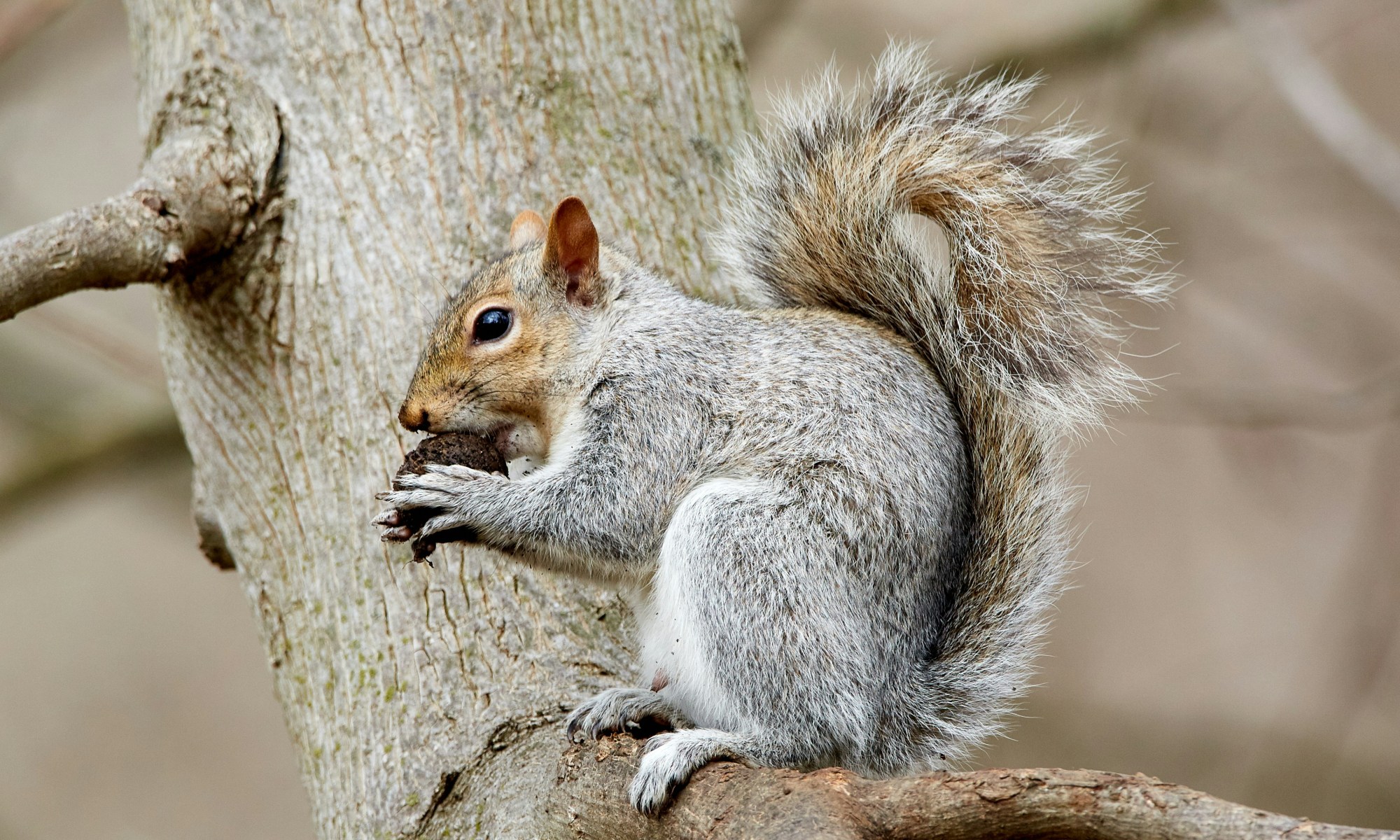
Her short story “Squirrel” tells of a devoted pair of squirrels who claim ownership of an English walnut tree, quietly harvesting its nuts each year while the elderly farmer and his wife remain puzzled by the tree’s seemingly perpetual barrenness.
Apart from the customary vocabulary notes, this ebook contains a simple exercise on some of the dialectal grammar forms used by the author and which may sound confusing to English language learners. The answer key with relevant explanations can be found at the bottom of this post, under Grammar Explainer.
To download your free PDF copy, please click on the link below:
GRAMMAR EXPLAINER
At the end of the PDF file, there’s an exercise drawing the readers’ attention to some of the non-standard, dialectal grammar forms used in the story. And here’s a brief explainer on those key features:
“Seems as if them nuts must drop off that tree and be picked up,” said the Farmer, “but there ain’t no boys.”
Standard English: “It seems as if those nuts must have dropped off that tree and been picked up,” said the Farmer, “but there aren’t any boys.”
Seems < It seems…
“It” is often omitted at the beginning of a sentence in spoken English, for various reasons. Here we have an example of omission in impersonal statements introduced by verbs such as “seem” and “look.”
Looks nice!
Seems good to me.
them < those
In many dialects, such as Appalachian English and African American Vernacular English, “them” is regularly used as a demonstrative instead of “those.”
Them boys are crazy!
I don’t know him well, he’s one of them people.
must drop off… be picked up < must have dropped off… have been picked up
Tenses and structures requiring the Past Participle are often formed irregularly in spoken language. Here we have the auxiliary verb “have” completely ommitted, and then bare infinitives used after the modal verb “must.” You’ll notice the inconsistent use of past tense forms, too (it’s there in “picked” but not in “drop”).
ain’t no < aren’t any
“Ain’t” is a commonly used informal contraction replacing various negative forms of the auxiliary verbs:
That ain’t true. = That isn’t true.
I ain’t got no money. = I haven’t got / I don’t have any money.
It goes with “no” rather than “any”, forming a double negative (which is otherwise avoided in standard English).
“What d’ye think?” he said. “It was them Squirrels that have stole all them English walnuts.”
Standard English: “What do you think?” he said. “It was those Squirrels that have stolen all those English walnuts.”
d’ye < do you
“Ye” is still used in a number of dialects as the informal plural form of “you.” Here it’s further contracted with “do.”
them < those
Same as in the previous quote.
have stole < have stolen
Another example of irregular formation of a tense formed using the Past Participle (in this case, the Present Perfect Simple tense).
“Be you the thief?” he asked.
Standard English: “Are you the thief?” he asked.
be < are
Also typical of Appalachian, as well as African American Vernacular English and other dialects, here we have the use of “be” instead of “is” or “are” in the present tenses (both Present Simple and Present Continuous).
Be he ready? = Is he ready?
I be going now. = I am going now.
I hope you’ve enjoyed the short story, and that these irregular grammar forms weren’t too confusing. They just go to show that there’s a lot more going on in the English grammar apart from what is taught in formal classes!
NOTES

I’m a freelance language tutor (English, Latin, Classical Greek), researcher, and a literary scholar currently based in Belgrade, Serbia.
If you wish to receive new content from my blog – as soon as it’s published – please enter your email address in the subscribe box below.
To support my work, you can send me a donation via PayPal. It would be greatly appreciated!
COVER PHOTO CREDIT
Discover more from grammaticus
Subscribe to get the latest posts sent to your email.
 grammaticus