
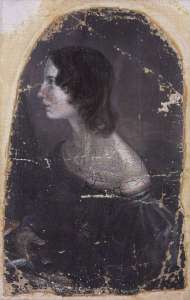
Emily Brontë (1818-1848), best known as the author of Wuthering Heights, was also a prolific poet, with around 200 works attributed to her. Sadly, they weren’t much appreciated during her lifetime, as is often the case, but nowadays — along with her sisters — she is considered a classic of English literature.
In this post we’ll get acquainted with her poem titled “Spellbound.” The word itself implies something magical and fascinating — something that literally binds you like a spell; you can’t think about anything else. But as we’re about to see, that’s not necessarily a good feeling!
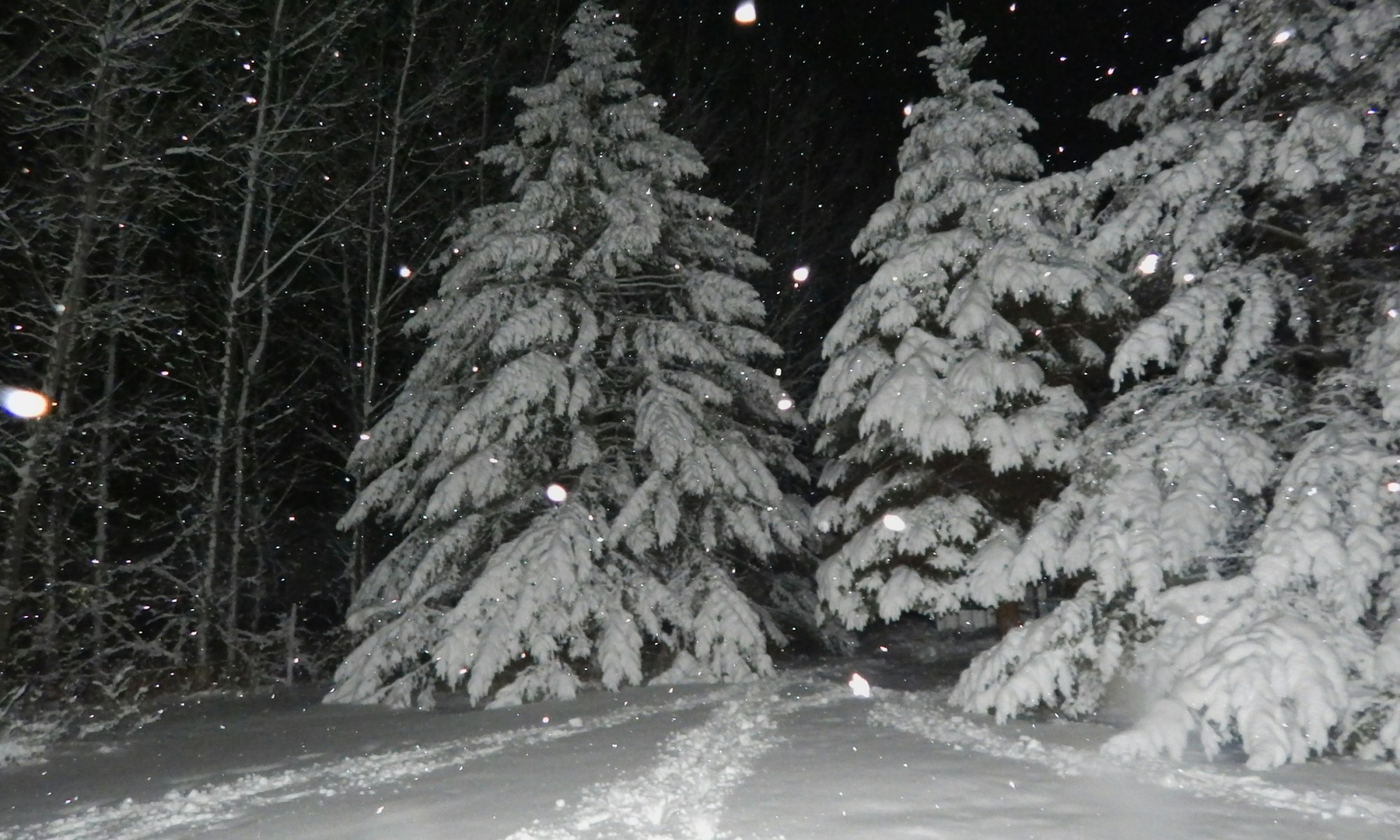
Right from the beginning, the author creates a dark and gloomy atmosphere of a harsh winter’s night. The spell she is seemingly under is a “tyrant” that completely paralyzes her. You’ll notice how all three stanzas finish in the same, helpless way: “I cannot go.” Yet at the same time, there’s something resilient about the poet: as desperate as the situation may seem, and with everything going from bad to worse, she remains stoic and unmoved.
If you’ve ever felt trapped, unable to act, feeling oppressed as if by an unseen force — or a sense of inescapable doom, you might find this poem relatable!
The night is darkening round me,
The wild winds coldly blow;
But a tyrant spell has bound me
And I cannot, cannot go.

The giant trees are bending
Their bare boughs weighed with snow.
And the storm is fast descending,
And yet I cannot go.

Clouds beyond clouds above me,
Wastes beyond wastes below;
But nothing drear can move me;
I will not, cannot go.
VOCABULARY EXERCISE
Find the words in the poem with the following meaning:
- gloom, sadness, melancholy (adjective)
- to begin to occur; of a situation: to quickly develop (verb)
- barren, desolate land (noun)
- to tie tightly (verb)
- a main branch of a tree (noun)
To check your answers, please click here.
ADDITIONAL RESOURCES
Emily Brontë biographical entry in the Encyclopedia Britannica
Emily Brontë’s portraits in the National Portrait Gallery
NOTES

I’m a freelance language tutor (English, Latin, Classical Greek), researcher, and a literary scholar currently based in Belgrade, Serbia.
If you wish to receive new content from my blog – as soon as it’s published – please enter your email address in the box below. You can also subscribe to my free monthly Newsletter and get a regular recap with additional content.
To support my work, you can send me a donation via PayPal. It would be greatly appreciated!
COVER PHOTO CREDIT
Image by Maddy Weiss via Unsplash.
Discover more from grammaticus
Subscribe to get the latest posts sent to your email.
 grammaticus
