
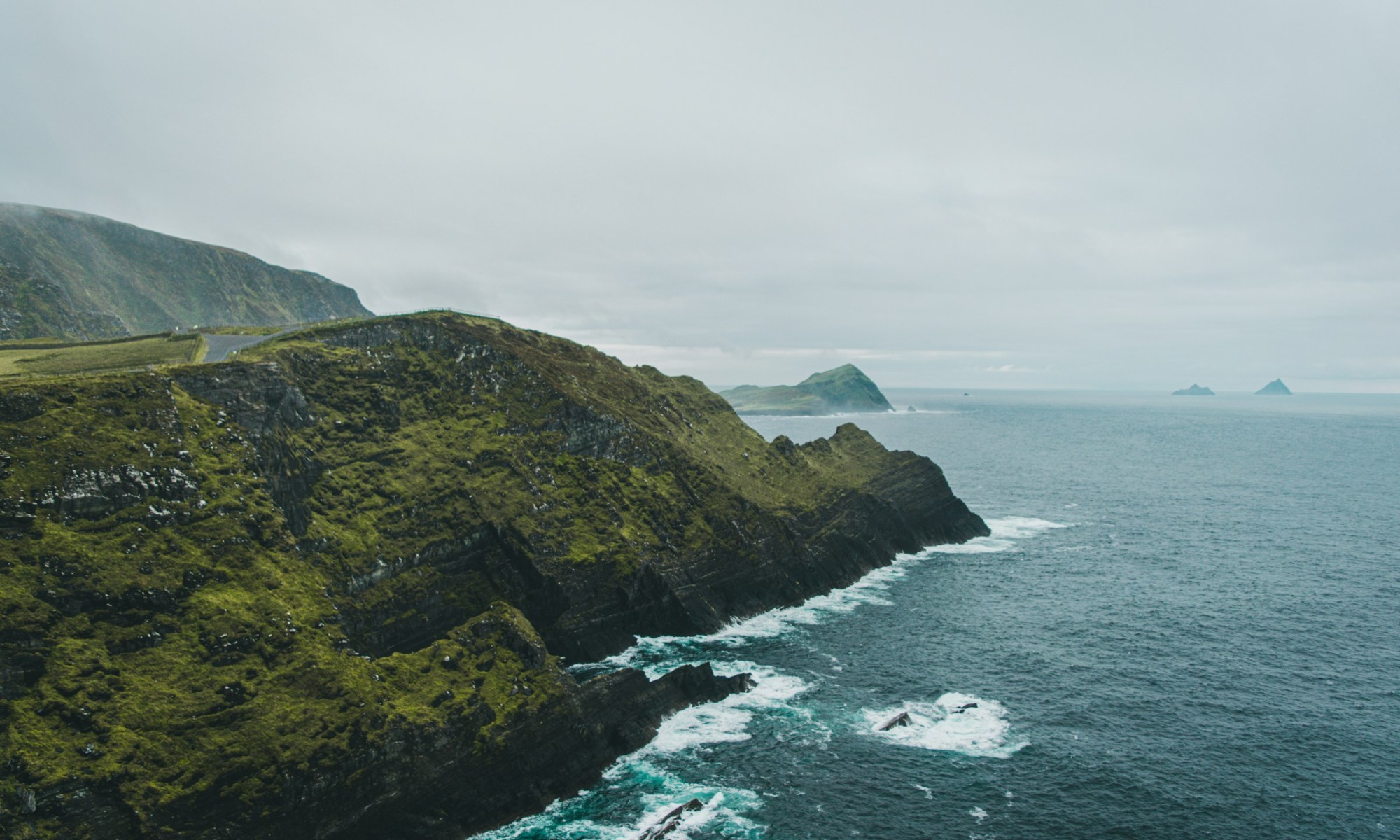
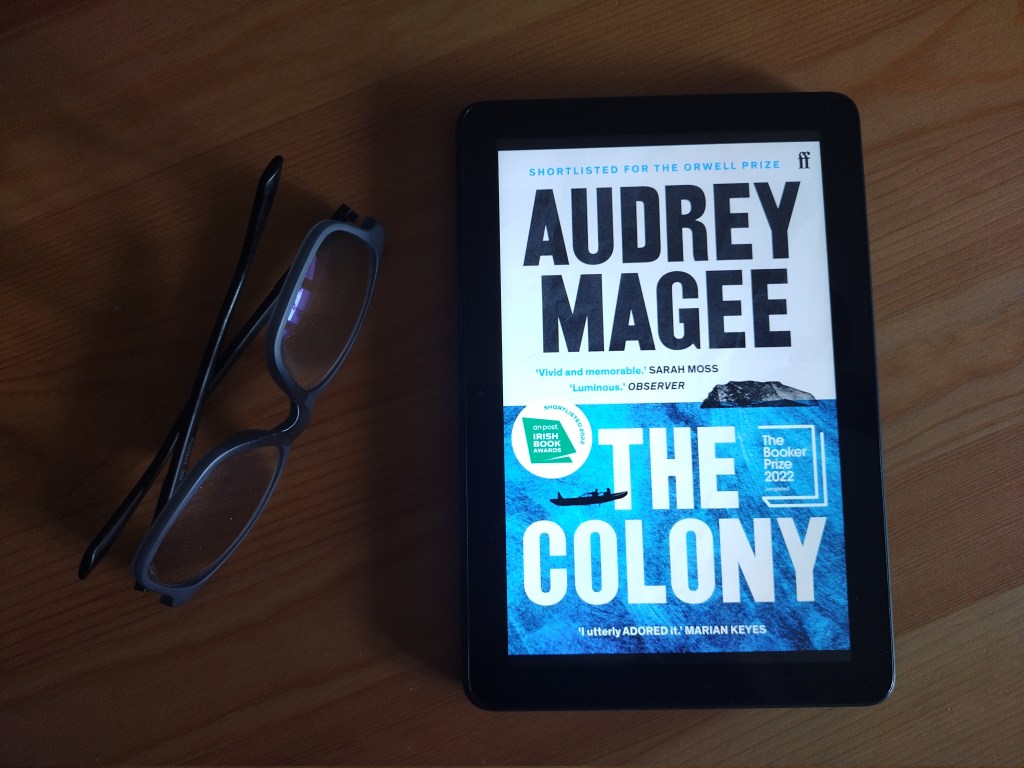
Set on a small island off the west coast of Ireland, “The Colony” is a complex novel exploring the themes of colonisation, identity and belonging.
At first I couldn’t tell the time period in which the book was set, but then came references to the Troubles and the instances of horrific violence that marred Northern Ireland during the last few decades of the 20th century. The central narrative is broken with matter-of-fact news reports every few pages, grounding the reader in the reality of the wider historical and political context of the summer of 1979.
This was a much needed device, because what happens on this fictional Irish island might as well be timeless: a small fishing village inhabited by relatively poor people leading very traditional lives—the sort of lifestyle that hasn’t changed much in centuries. And Gaelic is still spoken here in the late 1970s—sadly, more an indication of isolation and backwardness than of conscious pride in one’s heritage.
The main character is Lloyd, an English painter who decides to spend the summer in a modest holiday let on the island. His paintings are not particularly original; the stay is supposed to give him a fresh boost and reignite that creative spark. Instead, he finds it in the almost accidental work of his helper, the local lad Seamus (who prefers to be called James). As Lloyd reluctantly agrees to teach him how to paint, he ends up stealing James’ insights and ideas all the while promising to take him to England and get him enrolled into an arts school. The very prospect of it is in such stark contrast to the sort of life that awaits James on the island.
Apart from Lloyd, there’s another outsider, the French linguist J. P. Masson who is completing his research on the Irish language. They instantly develop a strong dislike for each other: Masson sees Lloyd as an English infiltrator, someone whose very presence contributes to the deterioration of Gaelic literacy and contamination of the natives’ culture —a coloniser who has no business being there. Yet Masson is French with no personal connection to the island or the Irish culture; his own studies are something of an imposition, an annoying manifestation of the complex of (academic) superiority. His fervent fight for the Irish language seems like a substitute for his own French-Algerian identity struggle that he can’t even articulate.
So we have a number of colonies here: the background of French and English colonial adventures and the ways they impact the lives of people today; the history of Ireland as an island colonised by many different groups of people over the centuries; the two-person art colony inadvertently created by Lloyd and James—both sad and lonely characters in their own way, seeking escape through painting; the islanders who, while native to the island, live there very much like in a colony.
Struggle and violence are major themes of this novel, and while there is good humour in it, as well as lovely depictions of nature, I’ve found it a very dark book. Magee exposes some pretty remarkable ironies, questions people’s motives and aspirations, and in the end doesn’t leave much room for hope. Even the colonisers are inevitably colonised by someone or something: one’s family, past regrets, other people’s expectations, traditions… It’s an inescapable, endless spiral; even if you do manage to leave the proverbial island, there’s really no way out. But in Magee’s writing there’s no unnecessary drama about it, it’s just the way things are.
I was puzzled by some of the other reviewers’ comments on how lyrical and poetic this book is, because my impression was the exact opposite. To me it felt somewhat dry and devoid of very descriptive language (I wasn’t surprised to learn that Magee also works as a journalist; portions of the book do feel like journalistic reporting). However, I didn’t really mind that at all, as it only added to the general atmosphere, and it may even have been a conscious choice.
What the book may lack in lyricism, it certainly gains in the presence of plurality of voices. Earlier I referred to Lloyd as the main character, but truthfully Masson, James or James’ mother Mairéad are just as central to the story and in some respects more vivid and memorable than Lloyd, each bringing a different and unique perspective.
Even though I was in a mood for a much lighter summertime read, I‘ve greatly enjoyed this novel and was happy to discover such an insightful and thought-provoking contemporary Irish author. Four stars out of five.
The Colony is Audrey Magee’s second novel, longlisted for the Booker Prize in 2022.
RECOMMENDED READING
Island life at a distance (a Guardian book review)
The Colony (The Booker Prizes webpage)
NOTES
If you wish to receive new content from the Grammaticus blog in your inbox, please enter your email address in the box below. You can also subscribe to my free monthly Newsletter.
To support my work, you can send me a donation via PayPal. It would be greatly appreciated!
IMAGE CREDIT
Photo by Nick Kane via Unsplash.
Discover more from grammaticus
Subscribe to get the latest posts sent to your email.
 grammaticus