
Born in London on 7 May 1812, Robert Browning was one of the more prominent writers of the Victorian era—and one of the most talented. By the age of 12 he had already finished his first collection of poetry, and by his early teens he was fluent in several languages, both classical and modern.

Restless and nonconformist, he resented formal education and had to be home schooled. As his life was dedicated to poetry and writing, he flat out refused to have a ‘normal’ career, relying instead on his family’s financial support for a good portion of his life. He died in Venice, Italy, on 12 December 1889.
In this post, we’ll read a very short poem of his titled “The Year’s at the Spring,” also known as “Pippa’s Song.” It‘s typical of us humans to focus on the negative in life, pondering on all the evils and misfortunes, feeling sorry for ourselves. The poet counters such thinking by alerting us to small, mundane details from everyday life that we would otherwise most likely overlook or take for granted. Once we regain our focus, it turns out that all’s right with the world.
However, (and this is a big ‘however’) it should be said that this poem was originally published in 1841 as part of Browning’s verse drama Pippa Passes, which is full of ambiguity and some pretty dark turns. Read within that wider context, the poem can feel rather ironic and, in fact, deeply unsettling!
The year's at the spring,
And day's at the morn;
Morning's at seven;
The hill-side's dew-pearled;
The lark's on the wing;
The snail's on the thorn;
God's in his Heaven—
All's right with the world!
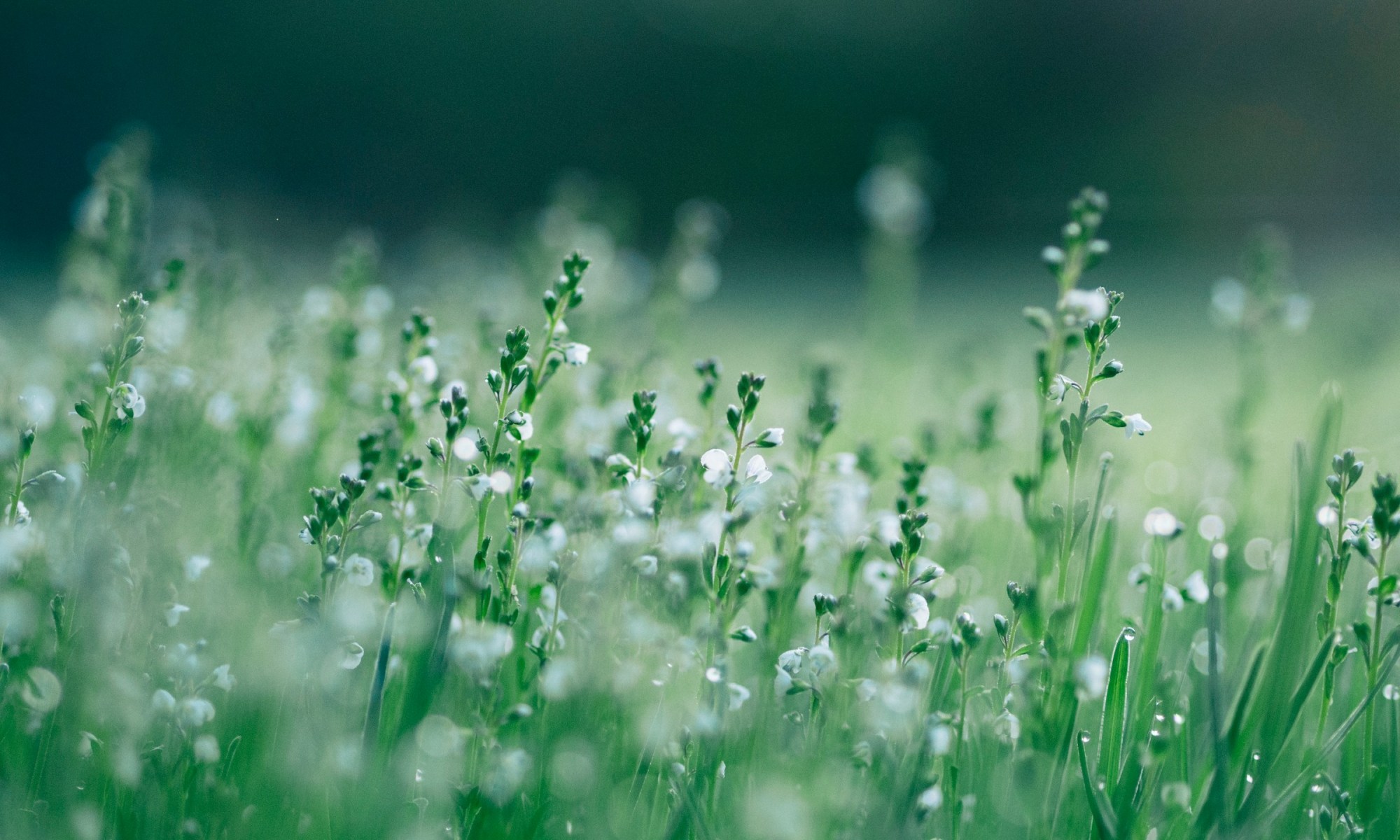
Taken out of context, the idea behind this poem seems to be that there is such a thing as natural order—most gloriously visible in springtime. By separating ourselves from the natural world, we lose focus from what is essentially good and truly beautiful. What’s more, we also lose access to the source of peace and tranquility that comes with living in harmony with nature. According to the poet, even God is part of that natural order, sitting peacefully in the heavens above.
Do you think Browning was being ironic, or is perhaps the natural world truly perfect, just as it is? Can we really experience peace and happiness by living in harmony with nature, or is that just a pipe dream? Is it right or fair for God to be just sitting up there, all peaceful and content, while there is so much suffering in the world? Maybe things do look different when you have the ability to see the ‘big picture…’
Reflect on these discussion points, and feel free to share your thoughts in the comments section below!
ADDITIONAL RESOURCES
Free ebooks by Robert Browning – on Project Gutenberg
Robert Browning – biographical entry in the ODNB
IMAGE CREDIT
Photo by Aaron Burden via Unsplash
Discover more from grammaticus
Subscribe to get the latest posts sent to your email.
 grammaticus