
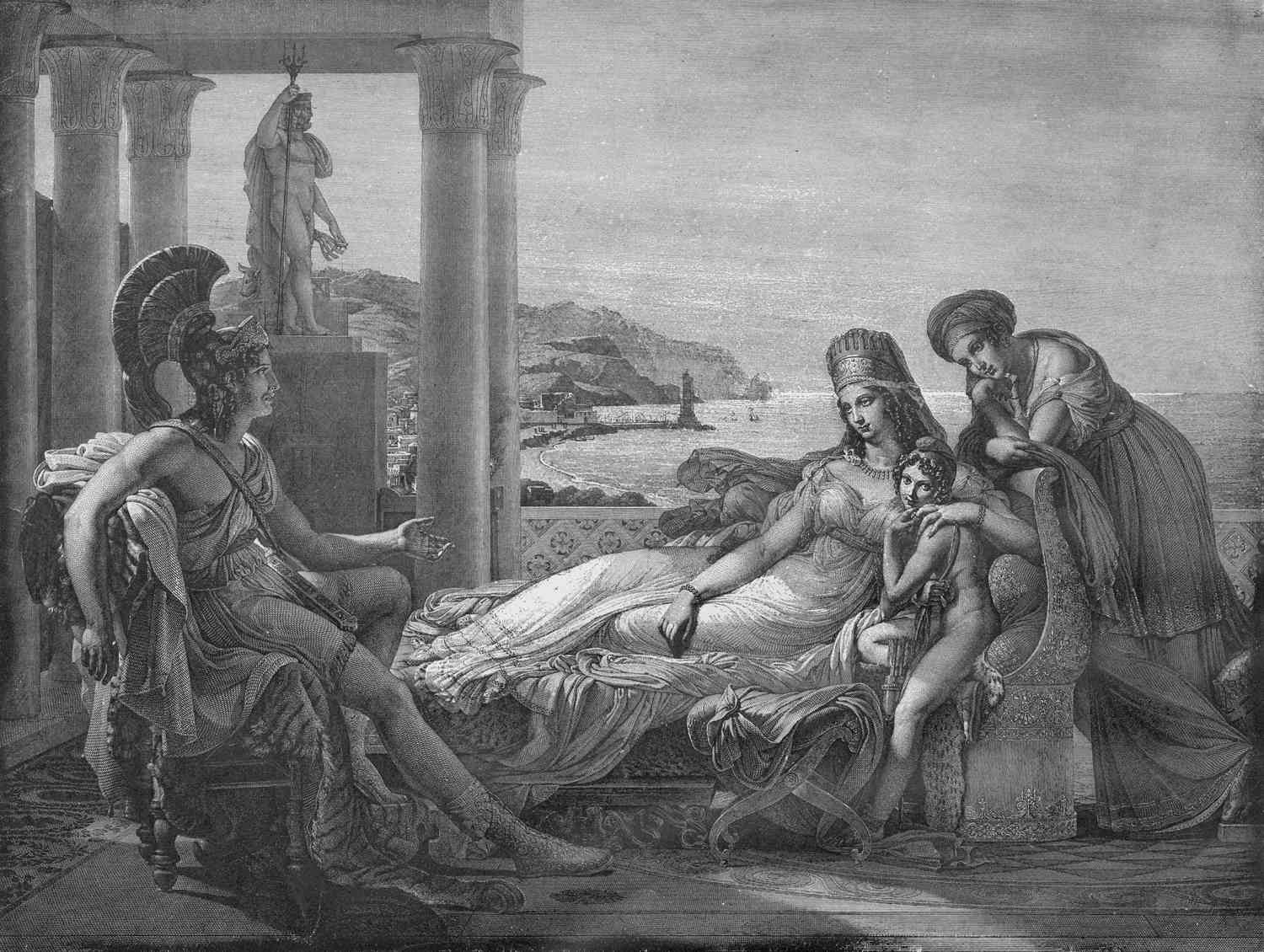
Over the years I’ve given my students different pieces of advice on how they can improve their vocabulary and listening skills. Some of the more conventional ones I’ve already posted here on the blog, but in this post I’ll share another – somewhat unusual – idea on that subject: listen to opera!
Before you roll your eyes and dismiss the idea, consider the following:
- listening to opera can enhance your cultural awareness and general knowledge
- many pieces of classical music, opera included, are based on myths and legends that contain timeless themes and motifs present in other forms of art, from literature to visual arts
- opera combines poetry, music, singing, dancing and acting, thus creating very dynamic and immersive audio-visual experience
- assuming you are not an opera fan already, you’ll encounter something entirely new, and who knows – you may discover your new passion!
As for language learning benefits, listening to opera demands attention and concentration. It is about enjoying the music, but it’s also about following the plot and engaging with the libretto – the text of the opera. There’s something unique about the interplay between the text and the music. As many of the lines get repeated several times over, you get exposed to the same vocabulary quite a few times, which may facilitate more successful memorisation.
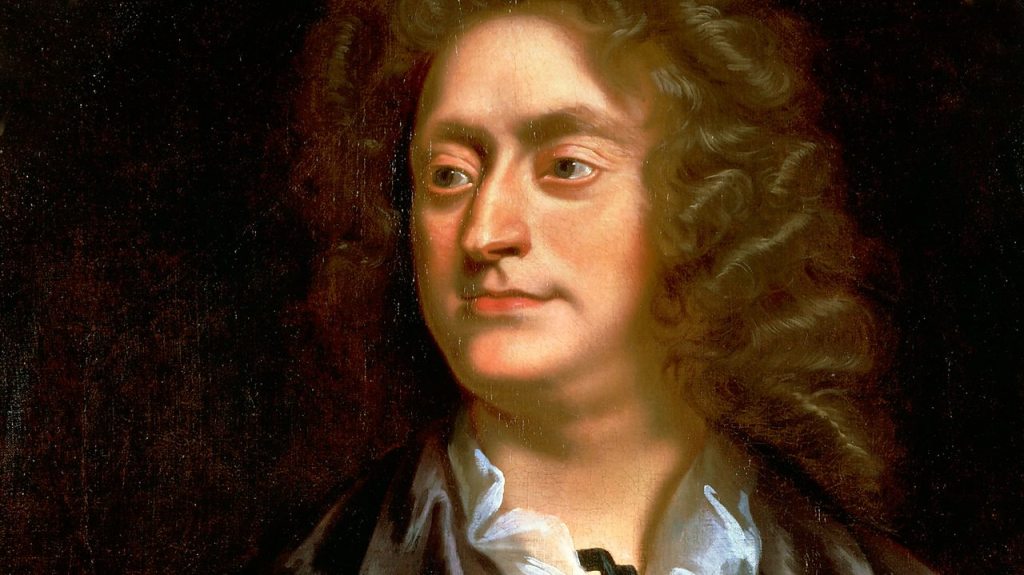
As an example, join me in listening to Henry Purcell’s 1688 opera Dido and Aeneas. I’ve chosen that one for a number of reasons: it’s a piece of baroque music, which I love; it’s an operatic retelling of a famous Roman myth that you may already know from elsewhere (and if not, this is a great opportunity to learn about it); it’s about an hour long, which won’t take too much of your time. In addition, the libretto, written by the Anglo-Irish poet Nahum Tate, isn’t too difficult to follow if you’re at least at the B2 level.
Before you find this opera on YouTube and hit the play button, have a look at these steps:
STEP 1: Familiarise yourself with the story
It will be much easier to follow this – or any other – opera, if you know what it’s generally about. If you’ve never heard of Dido and Aeneas, they are legendary characters from the classical antiquity: Dido was the queen of Carthage, while Aeneas was a Trojan hero en route to Italy after the disastrous fall of Troy. The Roman poet Virgil wrote about them in his famous Aeneid – one of the most important works of the classical Roman literature. This opera is largely based on his narrative.
You can use the links I’ve provided at the bottom of the post to find out more. Don’t go down the rabbit hole of Google and Wikipedia; just get the basics so you have some idea of the context and the plot.
STEP 2: Find some visual representations
The tragic story of Dido and Aeneas has been a very popular theme for centuries. Using Google Images, search for paintings and sculptures related to this story so you can establish some visual associations.
STEP 3: Listen to the opera, following the libretto
I’ll save you the trouble of searching for the text of Purcell’s Dido and Aeneas – just scroll down a bit. I’ve also included the links to dictionary entries explaining more difficult or archaic vocabulary.

There are many different performances of this opera available online. I suggest you follow this link to a lovely recording of this opera, performed at the University of Oklahoma School of Music, which comes with embedded subtitles.
STEP 4: Reflect
Once you’ve finished listening, think about the following: How did you like the opera? What did you think of the music, the costumes, the performance?
What about the story itself? It’s a tragedy; do you think it was avoidable? What do you think is the role of Fate in our lives?
Some of the lines sound very wise. How do you understand the following?
- “Grief increases by concealing.”
- “Great minds against themselves conspire, and shun the cure they most desire.”
Write down your ideas and elaborate a bit. You may post them here as comments, I’d love to read them!
LIBRETTO
THE FIRST ACT, OVERTURE

[Scene: the Palace. Enter Dido and Belinda, and train.]

BELINDA
Shake the cloud from off your brow,
Fate your wishes does allow;
Empire growing,
Pleasures flowing,
Fortune smiles and so should you.
Shake the cloud from off your brow.

CHORUS
Banish sorrow, banish care,
Grief should ne'er approach the fair.

DIDO
Ah! Belinda, I am press'd
With torment not to be confess'd.
Peace and I are strangers grown,
I languish till my grief is known,
Yet would not have it guess'd.

BELINDA
Grief increases by concealing;

DIDO
Mine admits of no revealing.

BELINDA
Then let me speak; the Trojan guest
Into your tender thoughts has press'd.
The greatest blessing Fate can give,
Our Carthage to secure, and Troy revive.

CHORUS
When monarchs unite, how happy their state;
They triumph at once o'er their foes and their fate.

DIDO
Whence could so much virtue spring?
What storms, what battles did he sing?
Anchises' valour mix'd with Venus' charms,
How soft in peace, and yet how fierce in arms!

BELINDA
A tale so strong and full of woe
Might melt the rocks, as well as you.
What stubborn heart unmov'd could see
Such distress, such piety?

DIDO
Mine with storms of care oppress'd
Is taught to pity the distress'd;
Mean wretches grief can touch,
So soft, so sensible my breast,
but ah! I fear I pity his too much.

BELINDA & 2nd WOMAN
Fear no danger to ensue,
The hero loves as well as you.

CHORUS
Ever gentle, ever smiling,
And the cares of life beguiling,
Fear no danger to ensue,
The hero loves as well as you.
Cupids strew your path with flowers
Gather'd from Elysian bowers.
Fear no danger to ensue,
The hero loves as well as you.

[Aeneas enters with his train.]

BELINDA
See, your royal guest appears;
How godlike is the form he bears!

AENEAS
When, Royal Fair, shall I be bless'd,
With cares of love and state distress'd?

DIDO
Fate forbids what you pursue.

AENEAS
Aeneas has no fate but you!
Let Dido smile, and I'll defy
The feeble stroke of destiny.

CHORUS
Cupid only throws the dart
That's dreadful to a warrior's heart,
And she that wounds can only cure the smart.

AENEAS
If not for mine, for empire's sake
Some pity on your lover take;
Ah! make not in a hopeless fire
A hero fall, and Troy once more expire.

BELINDA
Pursue thy conquest, Love -
Her eyes confess the flame her tongue denies.

[A dance.]

CHORUS
To the hills and the vales, to the rocks and the mountains,
To the musical groves and the cool shady fountains
Let the triumphs of love and of beauty be shown;
Go revel ye Cupids, the day is your own.

[The triumphing dance.]

THE SECOND ACT. Scene: the Cave. Enter Sorceress.

[Prelude for the Witches.]

SORCERESS
Wayward sisters, you that fright
The lonely traveller by night,
Who like dismal ravens crying
Beat the windows of the dying,
Appear at my call, and share in the fame
Of a mischief shall make all Carthage flame.
Appear, appear!

[Enter Enchantresses.]

ENCHANTRESS
Say, Beldame, what's thy will?

CHORUS
Harm's our delight and mischief all our skill.

SORCERESS
The Queen of Carthage, whom we hate,
As we do all in prosp'rous state,
Ere sunset shall most wretched prove,
Depriv'd of fame, of life and love.

CHORUS
Ho, ho, ho, ho, ho, ho...

ENCHANTRESS
Ruin'd ere the set of sun?
Tell us, how shall this be done?

SORCERESS
The Trojan Prince you know is bound
By Fate to seek Italian ground;
The Queen and he are now in chase,

ENCHANTRESS
Hark! hark! the cry comes on apace!

SORCERESS
But when they've done, my trusty elf,
In form of Mercury himself,
As sent from Jove, shall chide his stay,
And charge him sail tonight with all his fleet away!

CHORUS
Ho, ho, ho, ho, ho, ho...

ENCHANTRESS
But ere we this perform,
We'll conjure for a storm,
To mar their hunting sport,
And drive 'em back to court.

CHORUS
In our deep vaulted cell, the charm we'll prepare,
Too dreadful a practice for this open air.

[Echo dance of the Furies.]

[Scene: the Grove. Enter Aeneas, Dido and Belinda, and their train.]

BELINDA, THEN CHORUS
Thanks to these lonesome vales,
These desert hills and dales,
So fair the game, so rich the sport,
Diana's self might to these woods resort.

[A dance.]

2nd WOMAN
Oft she visits this lone mountain,
Oft she bathes her in this fountain,
Here Actaeon met his fate,
Pursued by his own hounds;
And after mortal wounds
Discovered too late.

[A Dance to entertain Aeneas, by Dido's women.]

AENEAS
Behold, upon my bending spear
A monster's head stands bleeding,
With tushes far exceeding
Those did Venus' huntsman tear!

DIDO
The skies are clouded: hark! how thunder
Rends the mountain oaks asunder!

BELINDA, THEN CHORUS
Haste, haste to town! this open field
No shelter from the storm can yield.

[Exit. The Spirit of the Sorceress descends to Aeneas in likeness of Mercury.]

SPIRIT
Stay, Prince, and hear great Jove's command:
He summons thee this night away.

AENEAS
Tonight?

SPIRIT
Tonight thou must forsake this land;
The angry god will brook no longer stay.
Jove commands thee, waste no more
In love's delights those precious hours
Allow'd by th' almighty powers
To gain th' Elysian shore
And ruin'd Troy restore.

AENEAS
Jove's commands shall be obey'd;
Tonight our anchors shall be weigh'd.
But ah! what language can I try,
My injur'd Queen to pacify?
No sooner she resigns her heart
But from her arms I'm forc'd to part.
How can so hard a fate be took?
One night enjoy'd the next forsook.
Yours be the blame, ye gods! for I
Obey your will; but with more ease could die.

THE THIRD ACT. Scene: the Ships.

[Prelude. Enter the Sailors.]

SAILOR
Come away, fellow sailors, your anchors be weighing,

CHORUS
Time and tide will admit no delaying;
Take a boozy short leave of your nymphs on the shore,
And silence their mourning
With vows of returning,
But never intending to visit them more.

[The sailors dance.]

[Enter the Sorceress and her Enchantresses.]

SORCERESS
See the flags and streamers curling,
Anchors weighing, sails unfurling!

ENCHANTRESS
Phoebus' pale deluding beams
Gilding o'er deceitful streams.
Our plot has took,
The Queen's forsook, ho, ho, ho!
Elissa's ruin'd, ho, ho, ho!

SORCERESS
Our next motion
Must be to storm her lover on the ocean.
From the ruin of others our pleasures we borrow;
Elissa bleeds tonight, and Carthage flames tomorrow!

CHORUS
Destruction's our delight, delight our greatest sorrow;
Elissa dies tonight, and Carthage flames tomorrow!

[The Witches’ dance. Jack of the Lantern leads the sailors out of their way among the Enchantresses.]

[Scene: the Palace. Enter Dido, Belinda, and train.]

DIDO
Your counsel all is urg'd in vain,
To earth and heaven I will complain;
To earth and heaven why do I call?
Earth and heaven conspire my fall.
To Fate I sue, of other means bereft,
The only refuge for the wretched left.

[Enter Aeneas.]

BELINDA
See, madam, where the Prince appears!
Such sorrow in his look he bears
As would convince you still he's true.

AENEAS
What shall lost Aeneas do?
How, Royal Fair, shall I impart
The gods' decree, and tell you we must part?

DIDO
Thus on the fatal banks of Nile
Weeps the deceitful crocodile;
Thus hypocrites that murder act
Make heav'n and gods the authors of the fact!

AENEAS
By all that's good...

DIDO
By all that's good, no more!
All that's good you have forswore.
To your promis'd empire fly,
And let forsaken Dido die.

AENEAS
In spite of Jove's command I'll stay,
Offend the gods, and love obey.

DIDO
No, faithless man, thy course pursue;
I'm now resolv'd as well as you.
No repentance shall reclaim
The injur'd Dido's slighted flame;
For 'tis enough, whate'er you now decree,
That you had once a thought of leaving me.

AENEAS
Let Jove say what he will, I'll stay!
No, no, I'll stay, and Love obey!

DIDO
Away, away! No, no, away!
To death I'll fly if longer you delay.
Away, away!

[Exit Aeneas.]

But Death, alas! I cannot shun;
Death must come when he is gone.

CHORUS
Great minds against themselves conspire,
And shun the cure they most desire.

DIDO
Thy hand, Belinda; darkness shades me,
On thy bosom let me rest;
More I would, but Death invades me;
Death is now a welcome guest.

When I am laid in earth, may my wrongs create
No trouble in thy breast.
Remember me! but ah! forget my fate.

[Cupids appear in the clouds o'er her tomb.]

CHORUS
With drooping wings ye Cupids come,
And scatter roses o'er her tomb,
Soft and gentle as her heart;
Keep here your watch, and never part.

[Cupids dance.]

THE END
ADDITIONAL READING
A Summary and Analysis of the Dido and Aeneas Myth
Dido and Aeneas: a synopsis in pictures
Henry Purcell – an Encyclopaedia Britannica entry
Discover more from grammaticus
Subscribe to get the latest posts sent to your email.
 grammaticus