
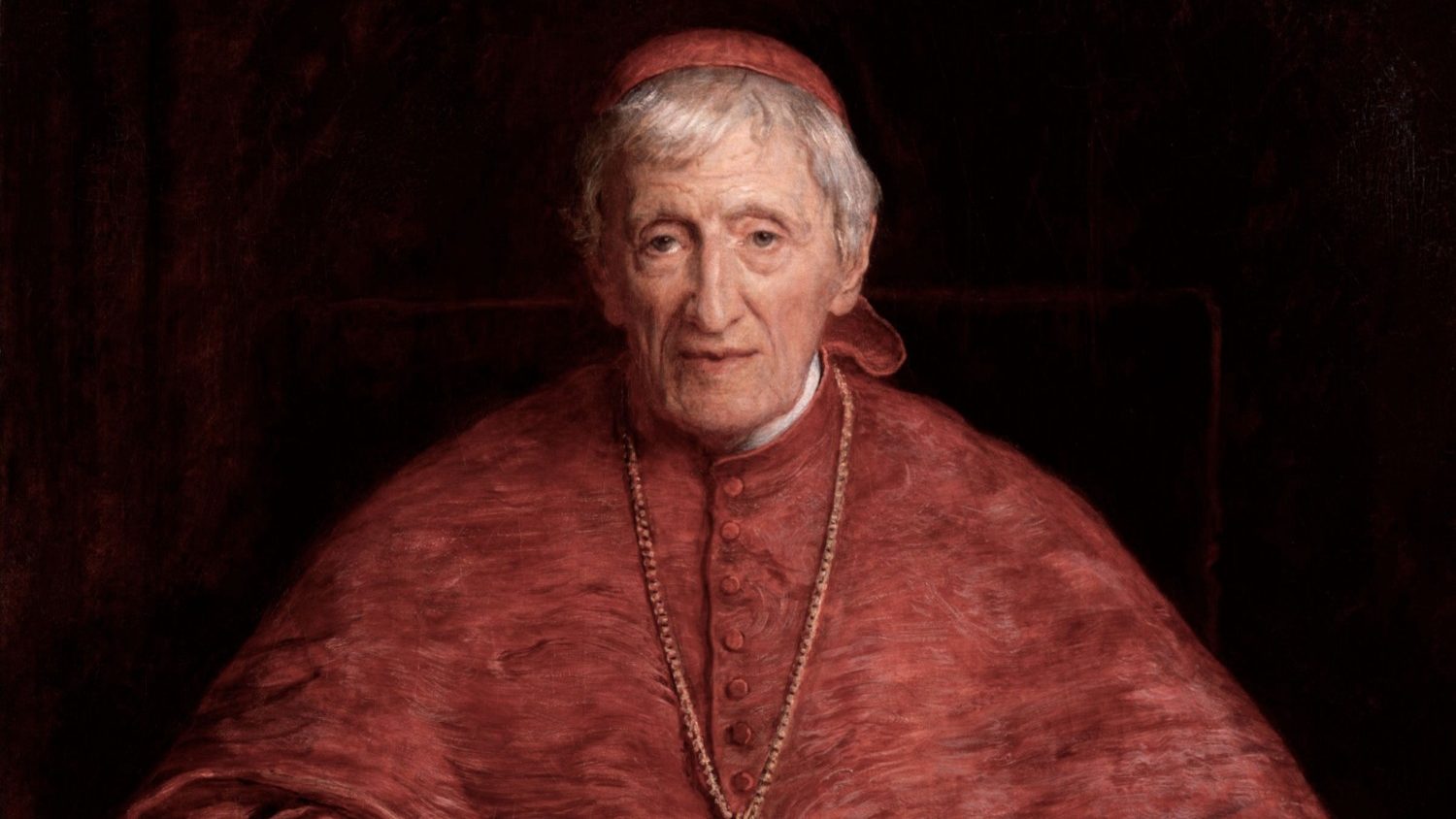
John Henry Newman was one of the intellectual giants of the Victorian era. Born in London in 1801, he led a long life filled with intellectual curiosity and deep concern with matters of faith. Originally an Anglican priest and theologian based in Oxford, he famously converted to Roman Catholicism in 1845, continuing his ministry as a Catholic priest, prominent public theologian and educator. He died in Birmingham in 1890, and was made saint by Pope Francis in 2019.
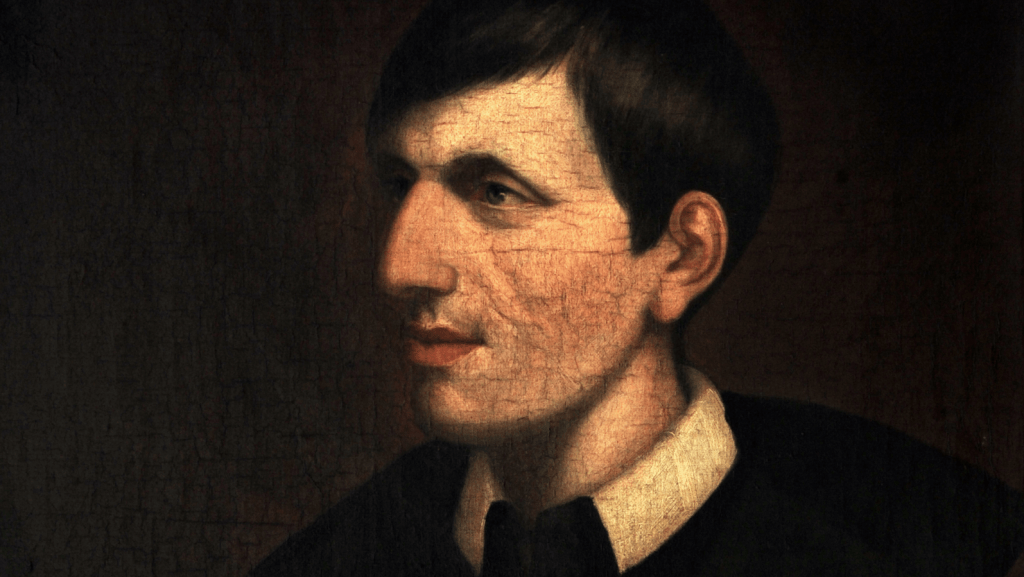
Nowadays a person’s religious conversion probably wouldn’t cause so much public interest, but in the 1800s England it was a matter of great controversy: Newman’s conversion came at the height of the influential Oxford Movement which sought to reform the Church of England by making it, to put it simply, less Protestant and more traditionally Catholic—a reform agenda that many were extremely opposed to, for a variety of reasons. Newman was very much at the heart of that movement, but eventually he went a step further and actually left Anglicanism altogether.
Loss and Gain is going to feel like a strange kind of novel without this historical and cultural background. Newman first published it in 1848, and it was his first book after the conversion, so it’s hardly surprising that its tone is often polemical. It’s been described as a philosophical novel and a Bildungsroman, but it’s also a theological novel, filled with dialogues on various points of doctrine—Catholic, Protestant, and Reformed.
The book’s main character is Charles Reding, a young man intent on becoming an Anglican priest. However, at Oxford he gets exposed to various church factions and teachings that make him question things, driving him further and further away from the mainstream, latitudinarian, Anglicanism. Eventually, he decides to join the Roman Catholic Church, resulting in him being shunned by the academic establishment and his own family.
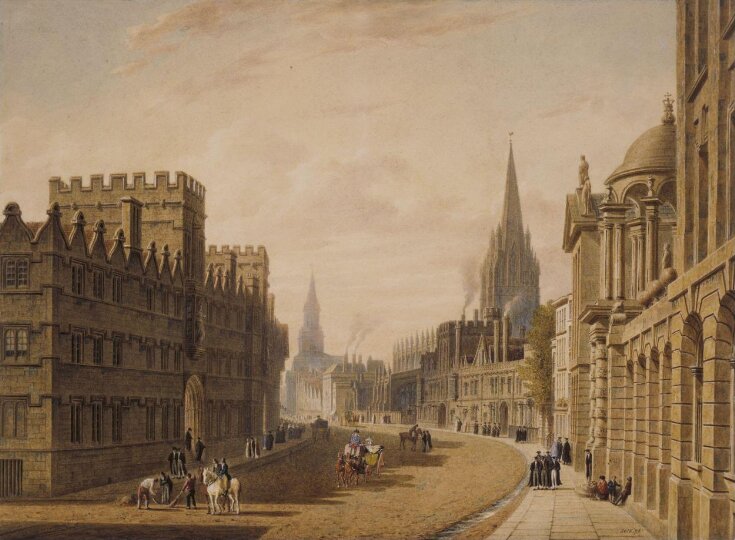
Even if you are not terribly interested in Christian theology and religious ideas, the book offers a fascinating glimpse into the lives of young men studying at Oxford in the early 1800s. We get to learn a lot about their intellectual preoccupations and interests, but also about the everyday life at this famous university centre. Newman knew the place well, which you can see by numerous little details he provides, including specific references and colloquialisms typical of the time and place.
As I was reading the book, I felt Newman managed to present some of the anguish that can come with religious conversion: there are fears of losing one’s status and access to career opportunities, not to mention the risk of broken family relations and friendships. This is the ‘loss’ part of the book—loss made tolerable only by what is to be gained by responding affirmatively and faithfully to that higher call.
The ‘gain’ part of the book, however, is a lot shorter and more vague. Even though so much of Loss and Gain is about a rational exposition of different and contentious theological points, Charles’ drive to conversion is ultimately inexplicable. At one point he realises he simply must convert, no matter what. One slightly less believable aspect of the narrative is that, prior to his conversion, Charles hadn’t even attended a Catholic mass, or had any meaningful interactions with Catholic clergy (or laity, for that matter). Towards the end, Charles’ actions become more urgent and Newman’s writing more hurried.
What are we to make of this conversion story? Was it the end result of a solely intellectual exercise in theological thinking? Was it an act of subconscious youthful rebellion against the academic establishment and his mainstream Anglican family (Charles’ late father served as an Anglican clergyman in a small village), or does it hint at something providential and supernatural, as it were, working alongside—and sometimes contrary to—human reasoning? Newman would probably have us believe the latter, but to his credit, he leaves the door ajar for other interpretations. Or maybe that’s just me extrapolating.
It’s been claimed that “Loss and Gain” is the very first novel set in a predominantly university milieu, which would make it relevant in the context of the history of literature as one of the first campus novels. If you’re a theology buff (not necessarily Catholic), you’ll love all the discussions and theological speculations it contains. And if you’re more interested in Newman’s non-fiction, and more articulate, account of the events that led to his own conversion, you might want to read his 1864 book Apologia Pro Vita Sua.
ADDITIONAL RESOURCES
An English Catholic hero: a very short biography of John Henry Newman (a Catholic Herald article)
Apologia Pro Vita Sua by John Henry Newman (free ebook download in various formats)
Loss and Gain: the Story of a Convert by John Henry Newman (free ebook download in various formats)
St. John Henry Newman (entry in the Encyclopaedia Britannica)
The Nineteenth-Century High Church: Tractarianism, the Oxford Movement, and Ritualism (resource page on The Victorian Web portal)
Discover more from grammaticus
Subscribe to get the latest posts sent to your email.
 grammaticus